


Blogs
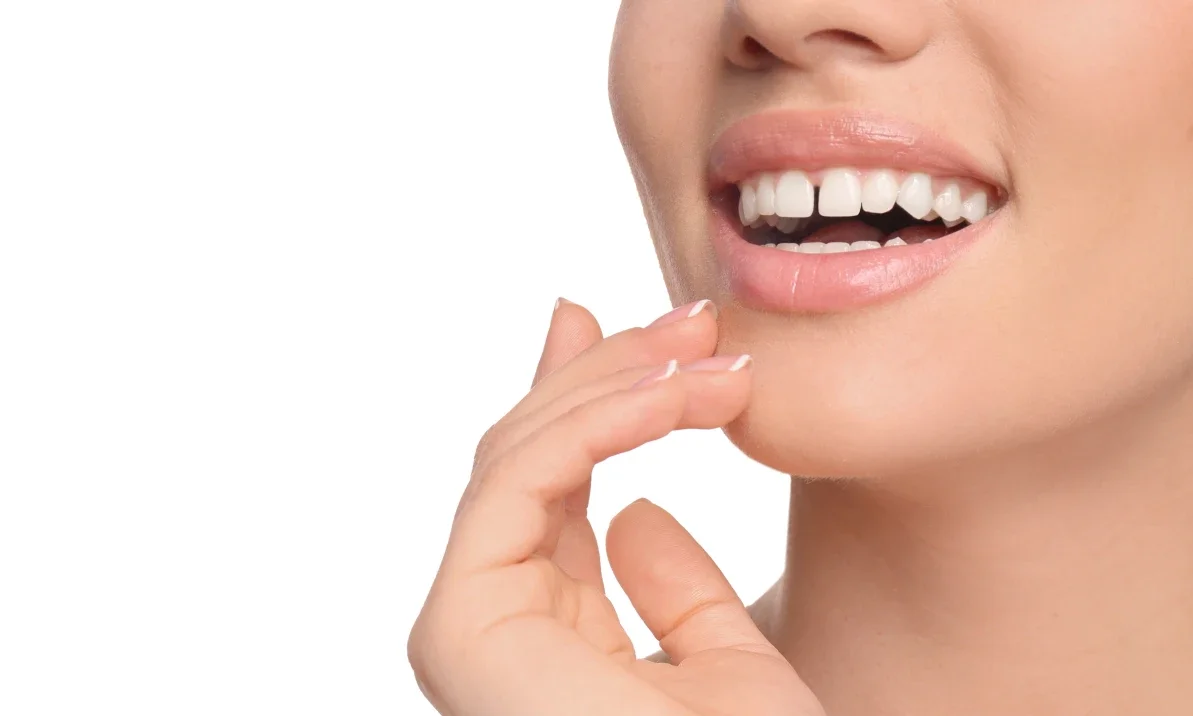
Gaps Forming Between Teeth as You Age
One day, your smile looks normal. A few months later, a tiny space shows up where there was none before. Maybe it is a small opening between your front teeth. Maybe food starts getting trapped near the bottom teeth. Maybe your bite feels a little off. That change can be easy to dismiss at first, but it often points to something real going on in your mouth.
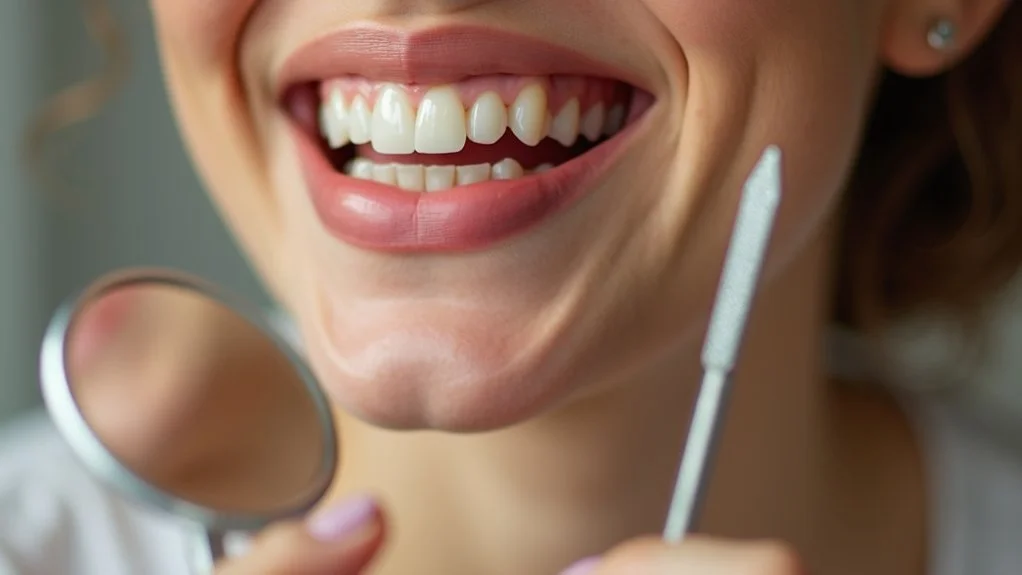
Uneven Tooth Length: Causes and Cosmetic Fixes
A smile does not have to be badly damaged to feel wrong. Sometimes one front tooth looks shorter in photos. Sometimes a biting edge feels rough. Sometimes a patient comes in saying, “One tooth just looks off,” and that small detail is enough to affect confidence every day.
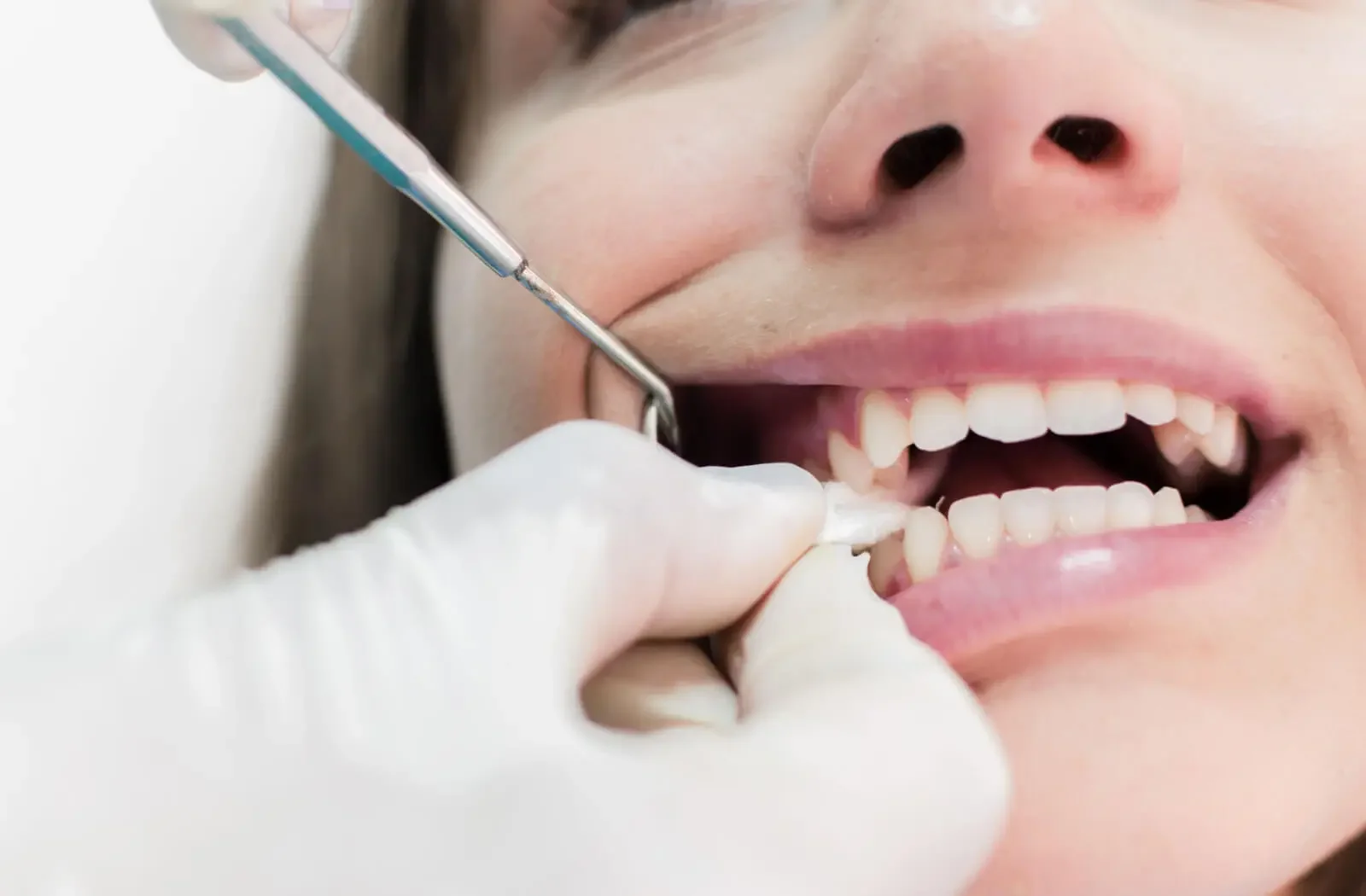
Dark Tooth After Trauma — Can It Be Saved?
A tooth does not have to crack in half to be in trouble. Sometimes the damage shows up weeks later, when one front tooth starts looking gray, brown, purple, or yellow compared with the others. That change can feel small at first. Then it is all you see in the mirror.
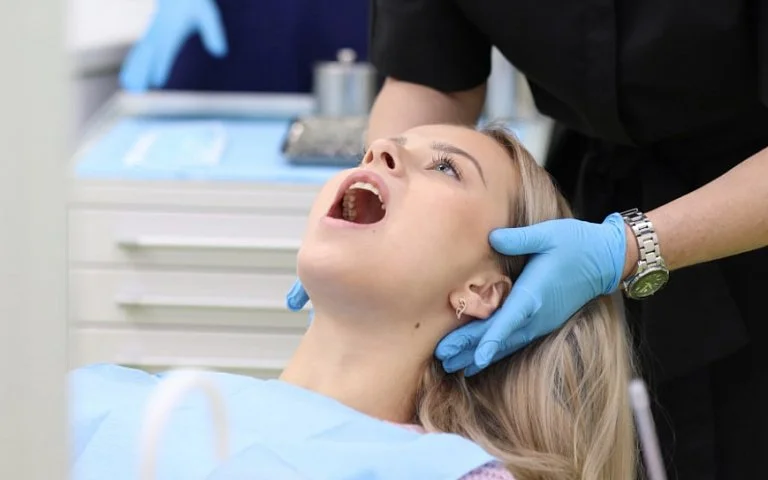
Jaw Clicking on One Side Without Pain: Should You Treat It?
That little click near your ear can get your attention fast. It may happen when you chew toast, yawn in the car, or open wide during brushing. There is no pain. There is no swelling. You can still eat and talk just fine. But the sound keeps coming back, and that is when the questions start. Is this normal? Is something slipping out of place? Will it turn into a real jaw problem later?

Can Dental Work Cause Headaches or Ear Pain?
It’s no secret that dental procedures are a common part of maintaining oral health, but what happens when these treatments lead to unexpected side effects like headaches or ear pain? Many patients experience discomfort or pain following dental work, sometimes in areas unrelated to the mouth, such as the head or ears. But can dental work cause headaches or ear pain, or is there something more going on?
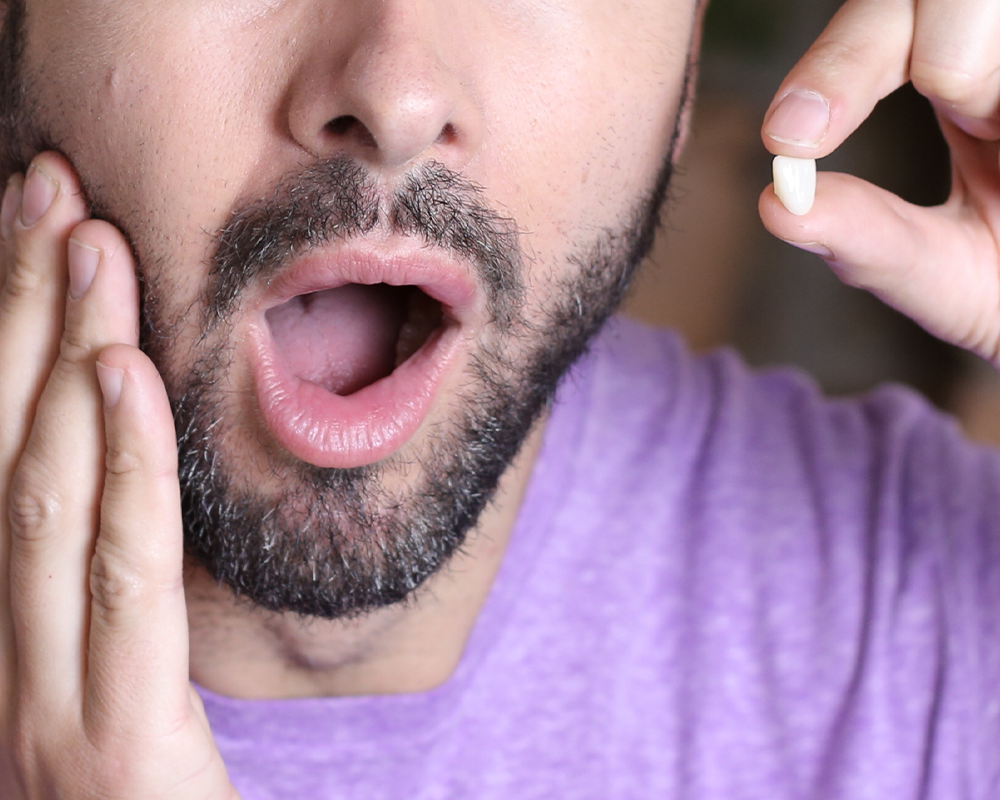
What to Do If a Temporary Crown Falls Off
It’s a situation many people don’t expect: you’re going about your day when suddenly, you feel something strange in your mouth, or you notice a gap in your smile. Your temporary crown has come off. Whether it fell off unexpectedly or it’s been loose for a while, this can be a stressful and frustrating experience.
Dental Pain After a Crown — Gum vs Tooth Issue
Dental crowns are often a reliable and effective solution for damaged or decayed teeth. They restore the function, shape, and appearance of the tooth while providing long-term protection. However, many patients experience dental pain after a crown is placed, which can be confusing and concerning. Understanding the causes of this discomfort is essential for identifying whether the pain is due to an issue with the tooth itself or the surrounding gums.
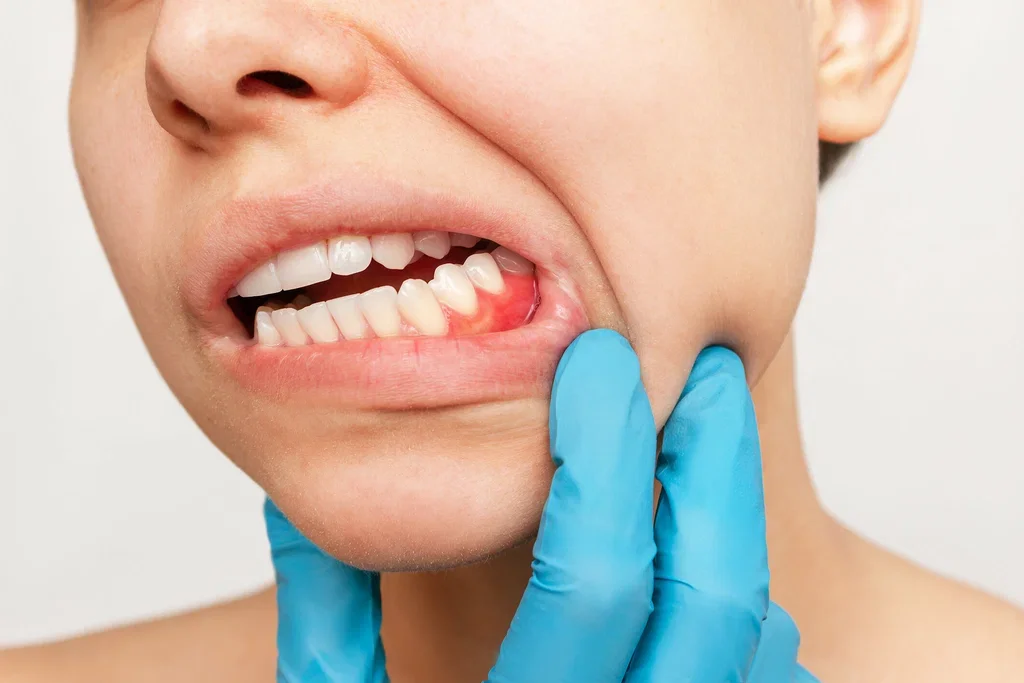
Why Gum Disease Often Goes Unnoticed Until It’s Severe
Gum disease is one of the most common yet often overlooked health issues. Many people don’t realize they’re suffering from it until it has reached a severe stage. At that point, the damage may already be significant, requiring more complex and costly treatments. Despite how prevalent it is, gum disease often goes unnoticed for a long time.
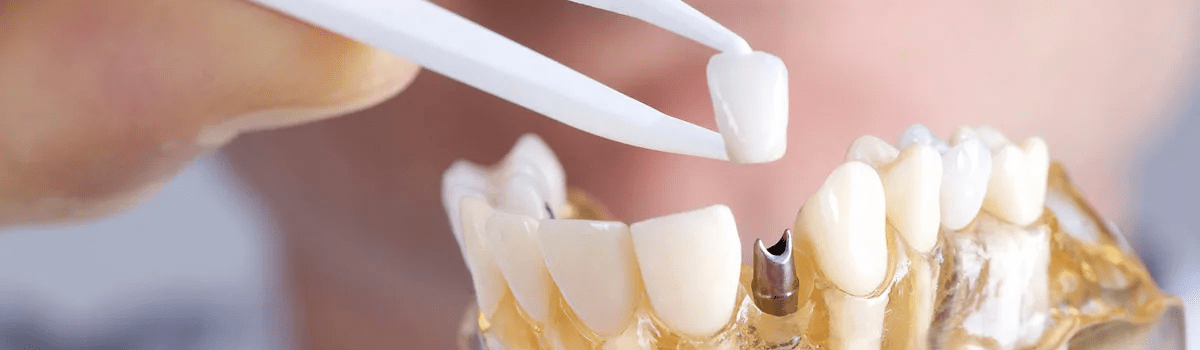
Why Does My Crown Feel Too High?
Getting a dental crown is often the solution to restore a damaged tooth, improve chewing function, and enhance your smile. But sometimes, after the procedure, patients notice something unusual—their crown feels too high. This sensation can be uncomfortable, affect your bite, and even lead to other dental problems if not addressed promptly.
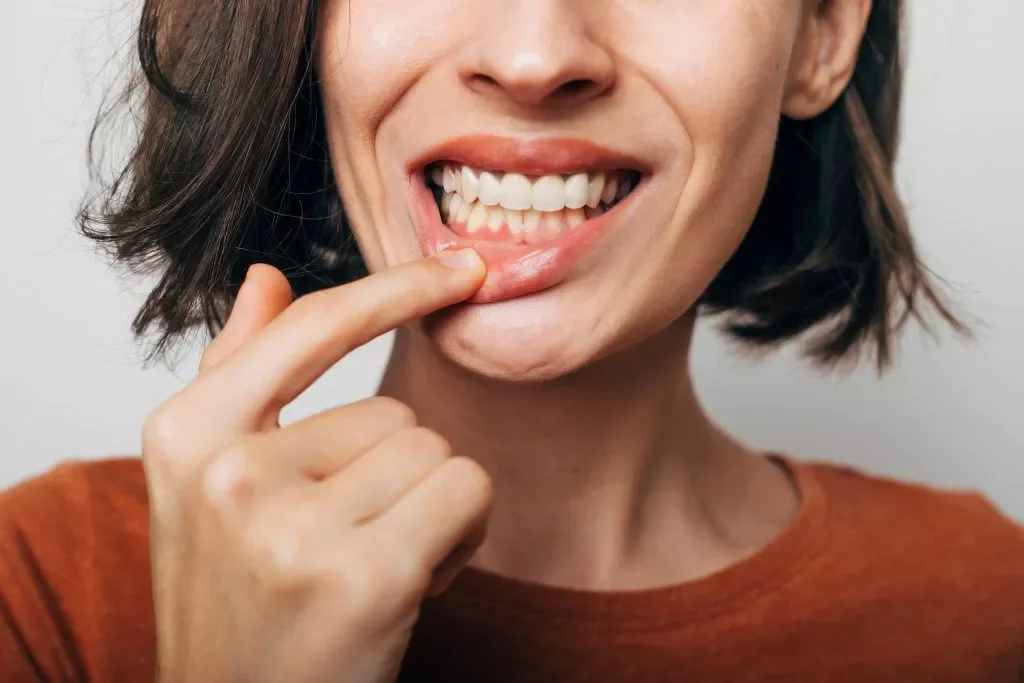
Bleeding Gums Without Pain — Should You Be Concerned?
This guide breaks down what bleeding gums without pain really means, when to worry, how to stop bleeding gums safely, and when professional care matters. You’ll also learn how early care can prevent costly treatments later—and how Downtown Dental Smile supports long-term gum health with practical, patient-focused solutions.
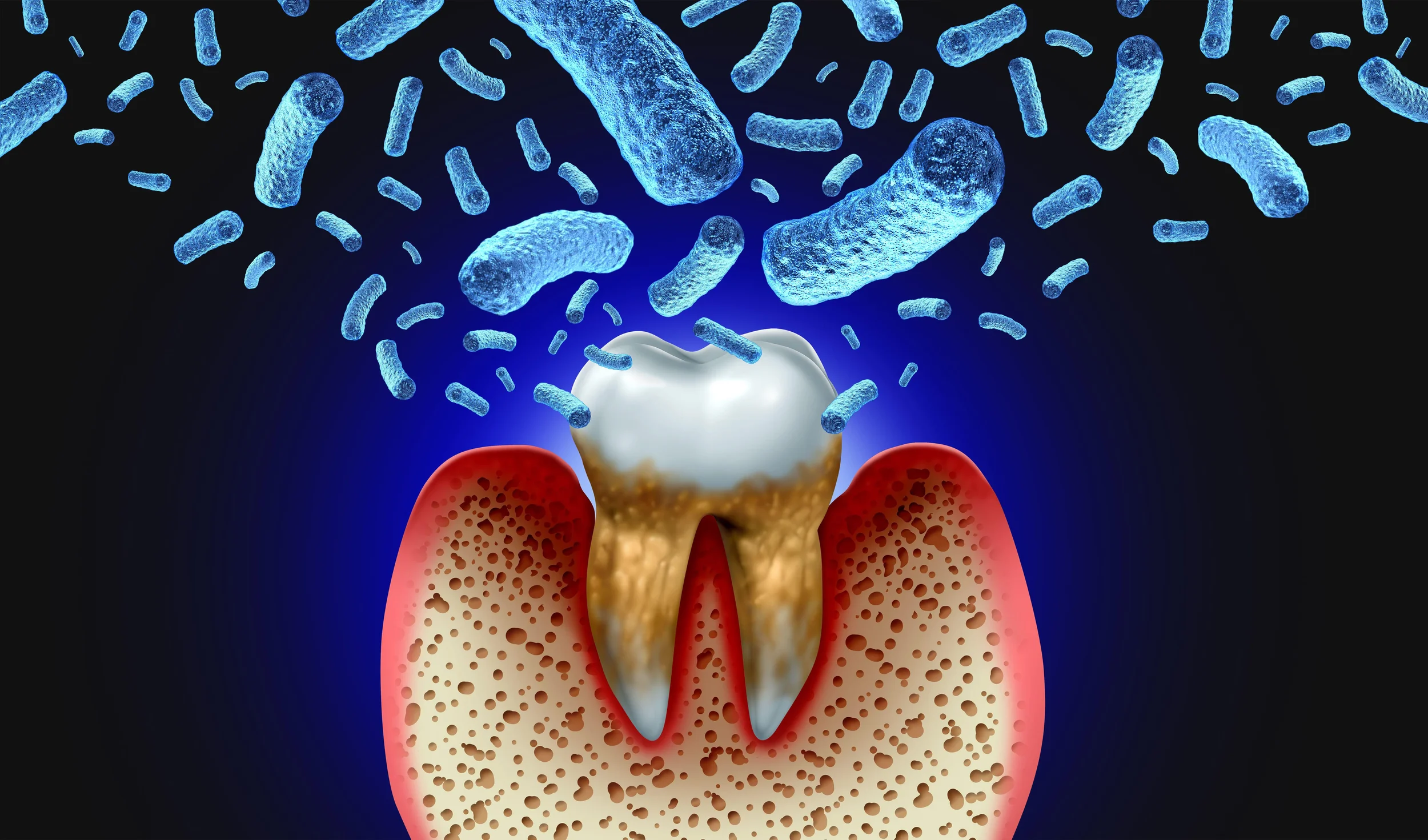
Signs of Tooth Infection Spreading
A toothache that will not quit is more than an annoyance. It can be your body warning you that something is wrong. Many people try to ignore dental pain, hoping it will fade with time or painkillers. The truth is harsher. A dental infection does not heal on its own. When left untreated, it can travel beyond the tooth and affect your jaw, face, and even your bloodstream.
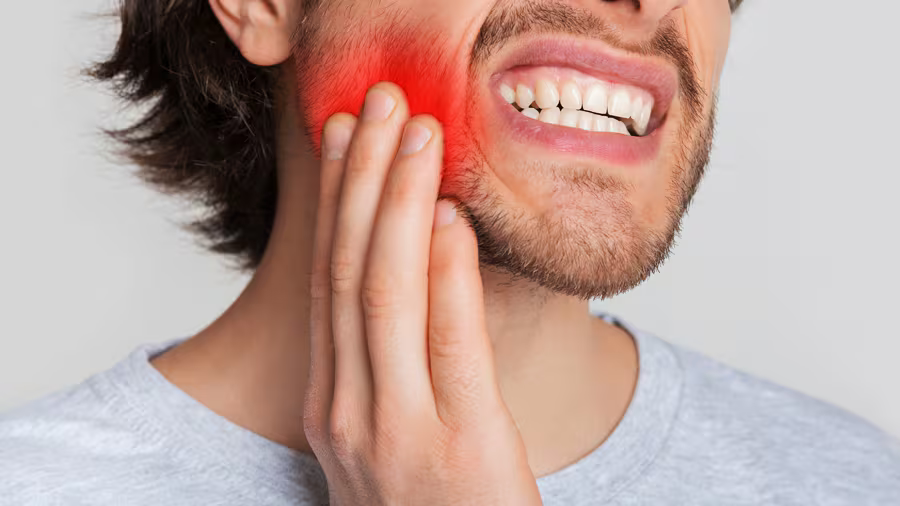
Throbbing Tooth Pain: What It Means and How Dentists Treat It
A sharp, pulsing ache in your tooth can stop you in your tracks. One moment you’re fine, the next you’re holding your jaw, wondering why the pain keeps beating like a drum. Throbbing tooth pain is not something your body does without a reason. It’s often a warning sign—sometimes mild, sometimes serious—that something isn’t right inside your mouth.
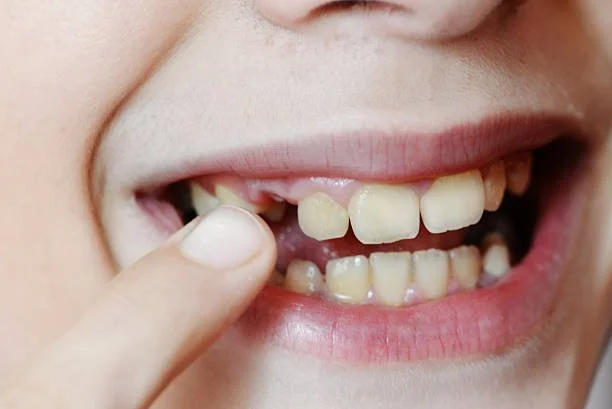
White Bumps on Gums: Harmless or Serious?
Noticing small white bumps on gums can be unsettling. It often appears when you’re brushing, flossing, or checking your mouth in the mirror. Sometimes these bumps are nothing more than minor irritation. Other times, they point to an infection or a gum issue that shouldn’t be ignored.
This guide explains which bumps are harmless, which ones require attention, and when to contact Downtown Dental Smile for a proper check.

Metallic Taste in Mouth: Dental or Medical Concern?
A metallic taste in mouth that lingers for hours or days can feel unsettling. Many people describe it as tasting iron, coins, or blood even though there is nothing unusual in their diet. For some, it appears once and disappears. For others, it becomes a daily occurrence that affects appetite, confidence, and comfort. Because this symptom overlaps with both oral and whole-body health
What Causes Electric-Shock Like Pain in Teeth?
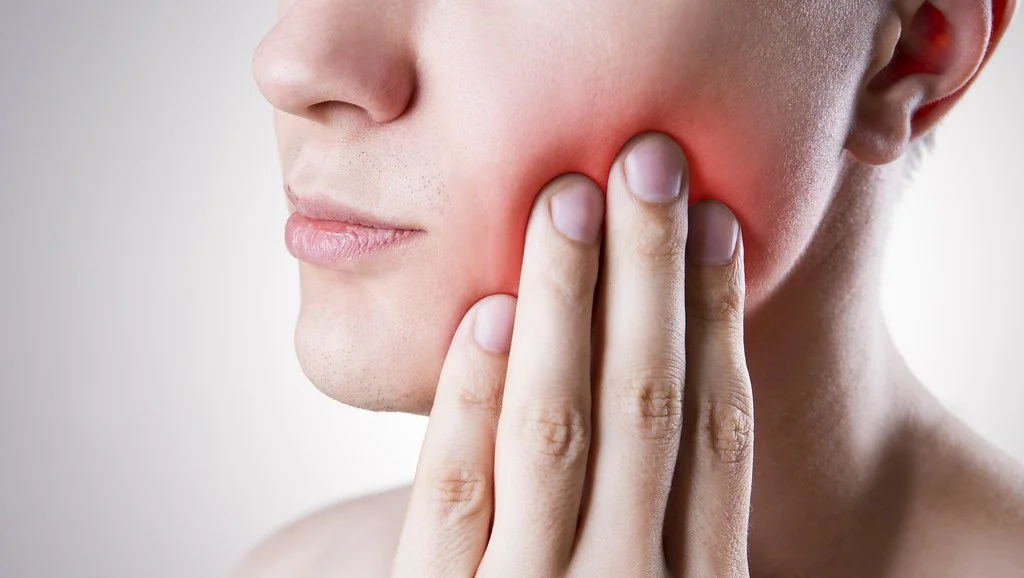
A sudden jolt inside a tooth can feel frightening. The sensation is sharp, fast, and catches you off guard. Many people describe it as Electric-Shock Like Pain in Teeth, and it often appears during the most ordinary moments—while sipping water, breathing in cold air, brushing, or even talking. Because the pain comes and goes so quickly, it can be confusing. It feels serious, but unclear. It feels deep, but unpredictable.

Sudden Sharp Tooth Pain: Causes and When to Get Emergency Care
A sudden burst of sharp tooth pain can stop you instantly, whether you're eating, drinking, or even taking in a breath of cold air. Many patients who visit Downtown Dental Smile describe it as a stabbing or electric shock sensation that comes quickly, disappears for a moment, and then strikes again. This pain often interrupts sleep, daily routines, and even conversations.

Persistent Bad Breath: Dental or Digestive Issue?
Bad breath isn’t just an embarrassing problem—it’s often a sign that something deeper is happening in your body. When bad breath doesn’t go away even after brushing, flossing, or rinsing, it becomes what dentists call persistent bad breath.
Puffy Gums: Causes, Symptoms, and Treatment Options
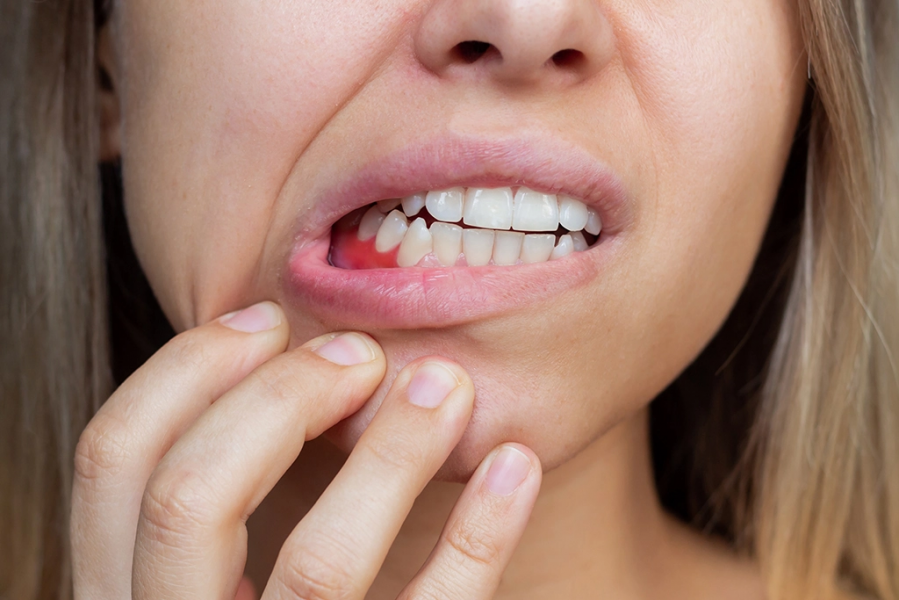
Healthy gums are firm, pink, and comfortable — they support your teeth and keep your mouth strong. But when gums become swollen or puffy, it’s a sign that something isn’t quite right. Puffy gums can appear suddenly or develop slowly over time, often bringing discomfort, redness, and tenderness. Understanding what causes this issue and how to treat it is key to restoring your oral health.

Can Sinus Problems Cause Tooth Pain?
Tooth pain is one of the most frustrating discomforts a person can experience. Many immediately think the source is a cavity, cracked tooth, or gum disease. While these are common causes, there’s another often overlooked culprit: sinus problems. Inflammation or infection in the sinus cavities can create pressure that radiates into your upper teeth, creating a sensation of toothache even when your teeth are healthy.

Toothache That Comes and Goes — What Does It Mean?
If you’ve ever experienced a toothache that comes and goes, you probably know how uncomfortable it can be. Sometimes, the pain seems to disappear as quickly as it arrives, leaving you unsure of whether to ignore it or seek treatment. While a toothache is often associated with cavities, there are several possible reasons why your tooth might hurt intermittently. Understanding what’s causing this pain and when to seek professional care is crucial for keeping your dental health in check.