


Blogs
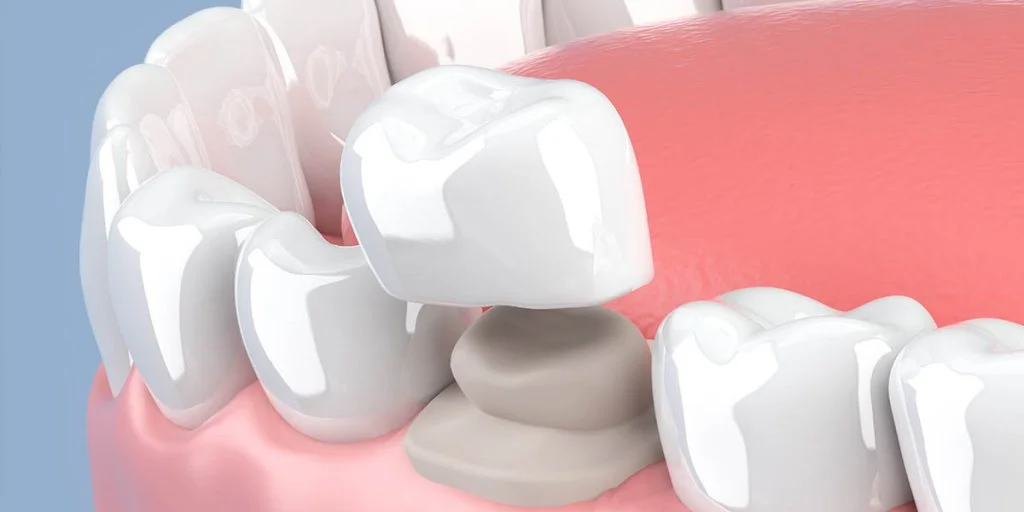
Broken Crown or Filling? What to Do Next
A broken crown or lost filling can turn an ordinary meal into an uncomfortable dental problem very quickly. Sometimes the crown comes off as one complete piece. Sometimes part of the tooth breaks underneath it. A filling may fall out and leave a hollow area that suddenly reacts to cold drinks, sweets, or pressure.
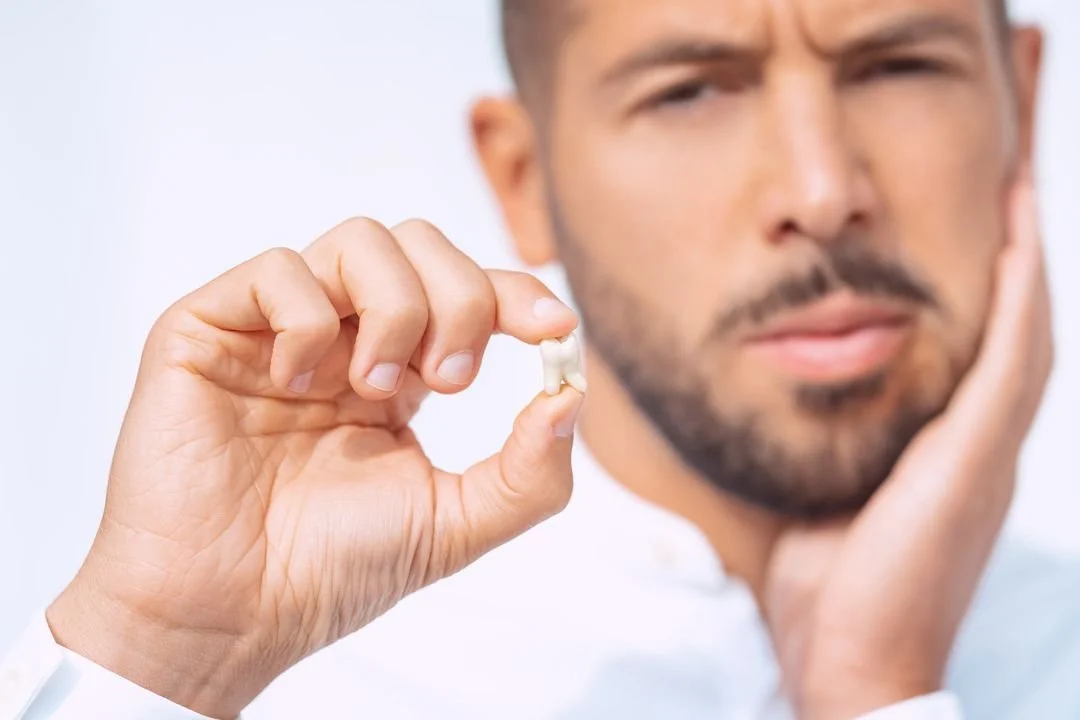
How to Handle a Knocked-Out Tooth Quickly
A completely knocked-out permanent tooth is one of the most urgent dental injuries. Dentists call it an avulsed tooth. The tooth has been forced entirely out of its socket, including the root. What happens during the next few minutes can affect whether the tooth can be placed back into the mouth and kept for years.

How Thumb Sucking Changes Tooth Development
A thumb can feel like a small source of comfort to a child, but when the habit continues for years, it can place steady pressure on growing teeth and jaws. What starts as a normal soothing behavior during infancy may eventually affect how the front teeth meet, how wide the upper jaw grows, and even how a child bites, speaks, or swallows.

Dry Mouth Seniors: Causes and Solutions
A mouth that constantly feels sticky, rough, or thirsty can make simple parts of the day surprisingly difficult. Eating a sandwich may require several sips of water. Speaking for more than a few minutes can become uncomfortable. Dentures may rub against dry tissue, and sleep can be interrupted by the need to drink water.
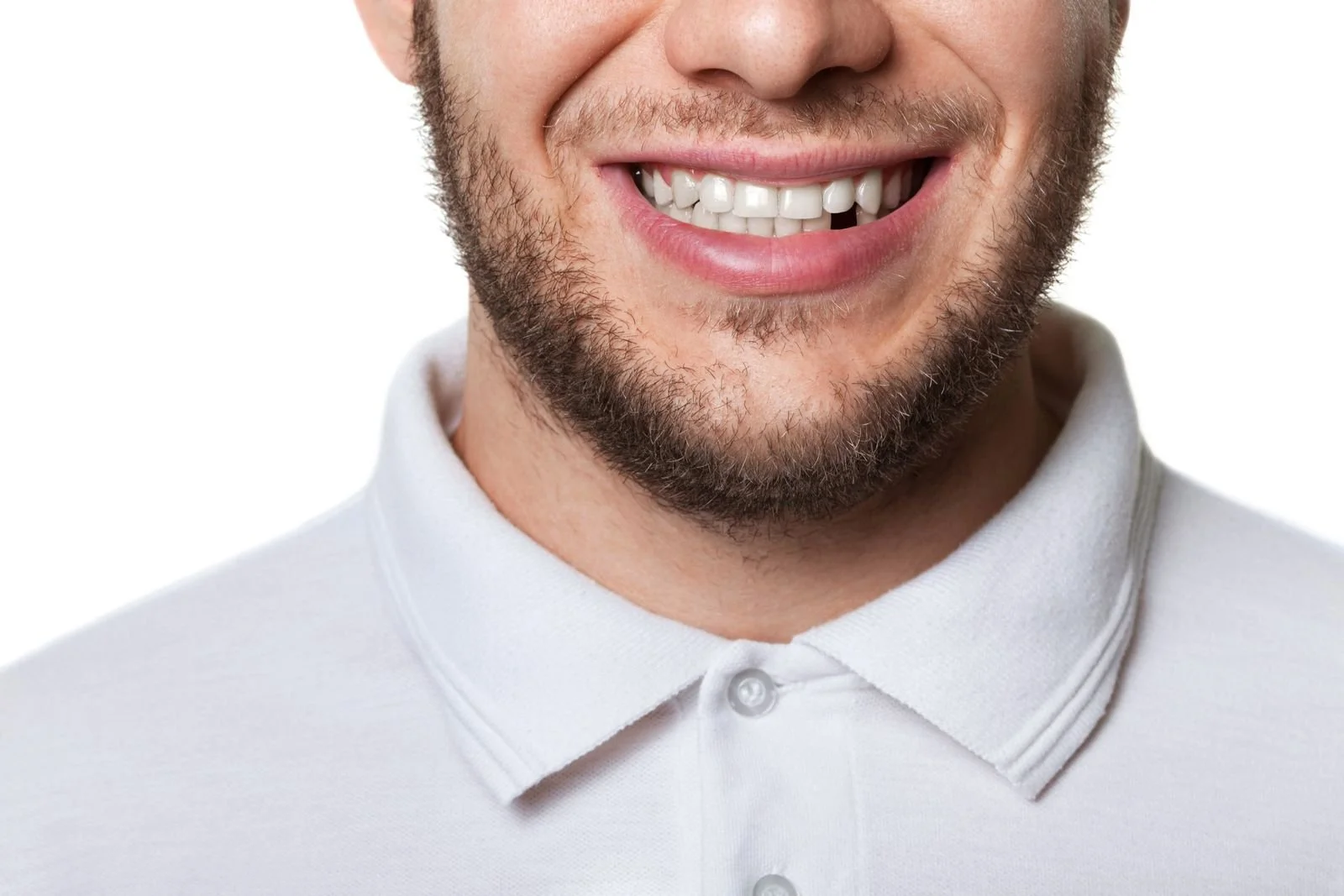
Can Missing Teeth Change the Shape of Your Face?
A missing tooth does more than leave a gap in your smile. It can change how you chew, how your teeth meet, how your lips sit, and how your jawbone holds its shape. At first, the change may look small. Over time, the space can affect the teeth beside it, the bone under it, and even the balance of your face.
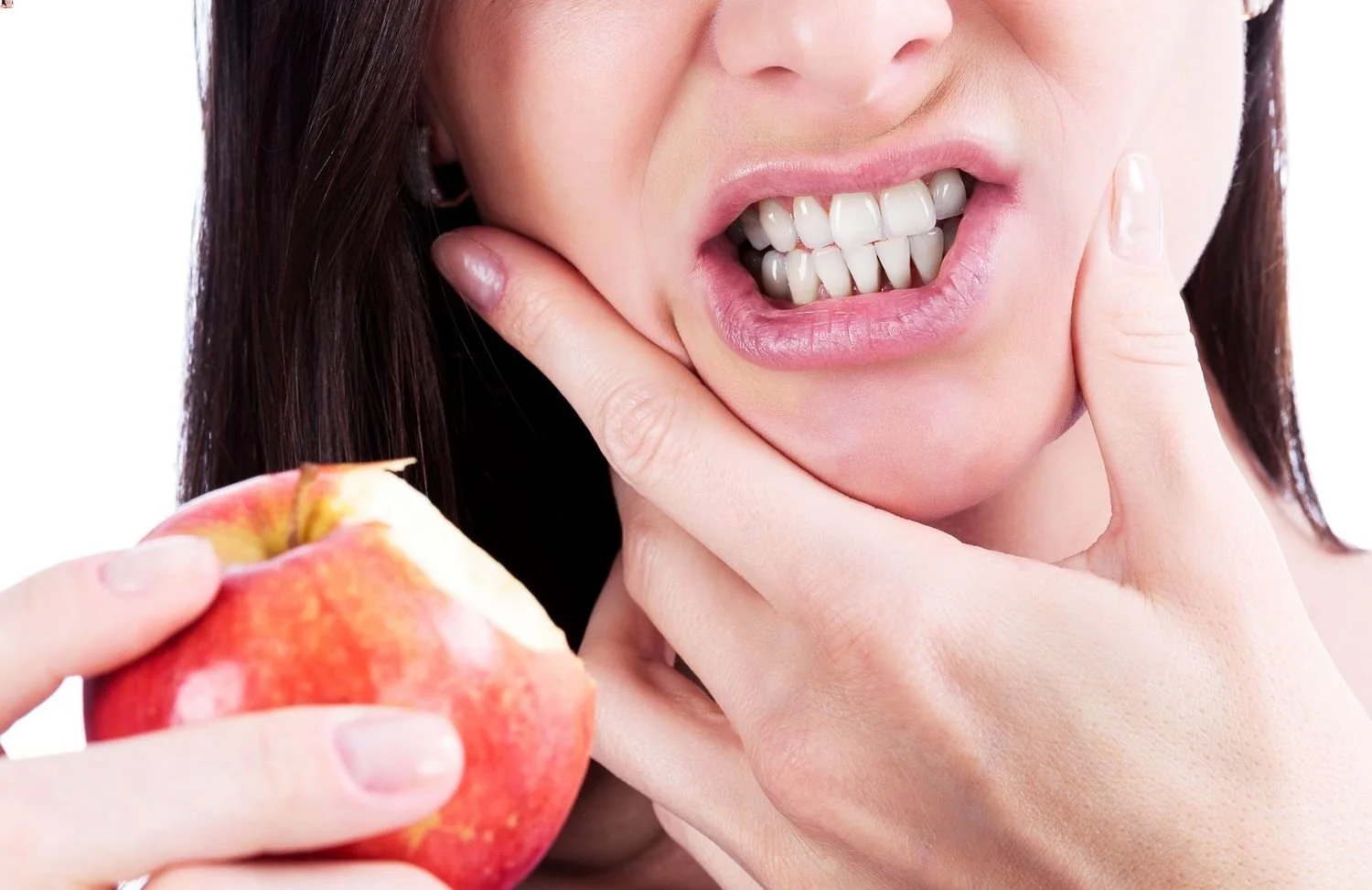
Tooth Pain While Chewing: Common Dental Causes
A tooth that hurts when you chew is not a small warning. It can stop you from eating on one side, make soft foods feel uncomfortable, and turn every meal into a test. The pain may be sharp for one second, dull after every bite, or strong enough to make you avoid chewing at all.
Signs You May Need a Root Canal Treatment
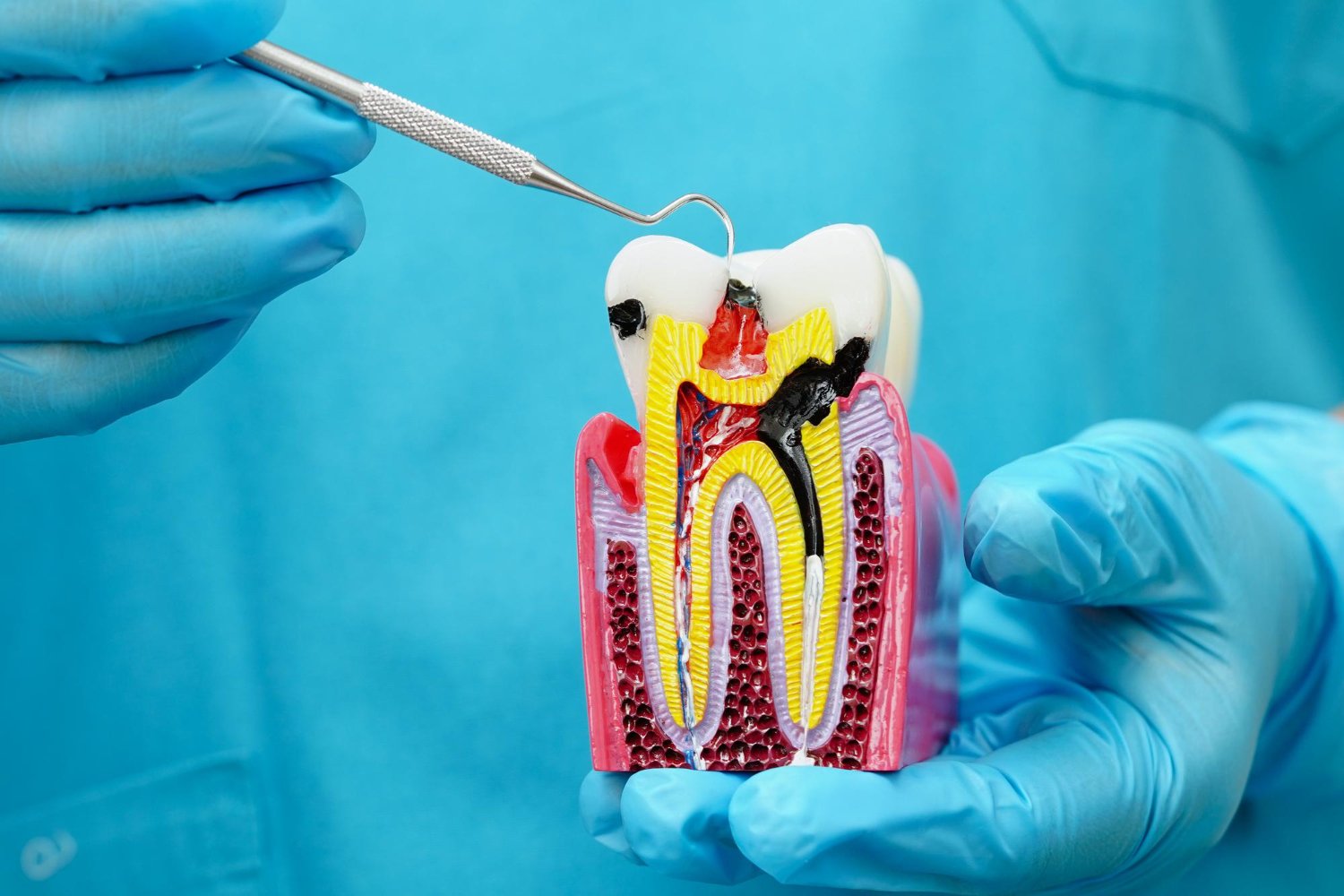
A toothache that keeps coming back is not something to “wait out.” Sharp pain when biting, swelling near one tooth, a dark tooth, or sensitivity that lingers after hot coffee or cold water can all point to a deeper dental problem.
Can Stress Cause Tooth Pain Without Cavities?
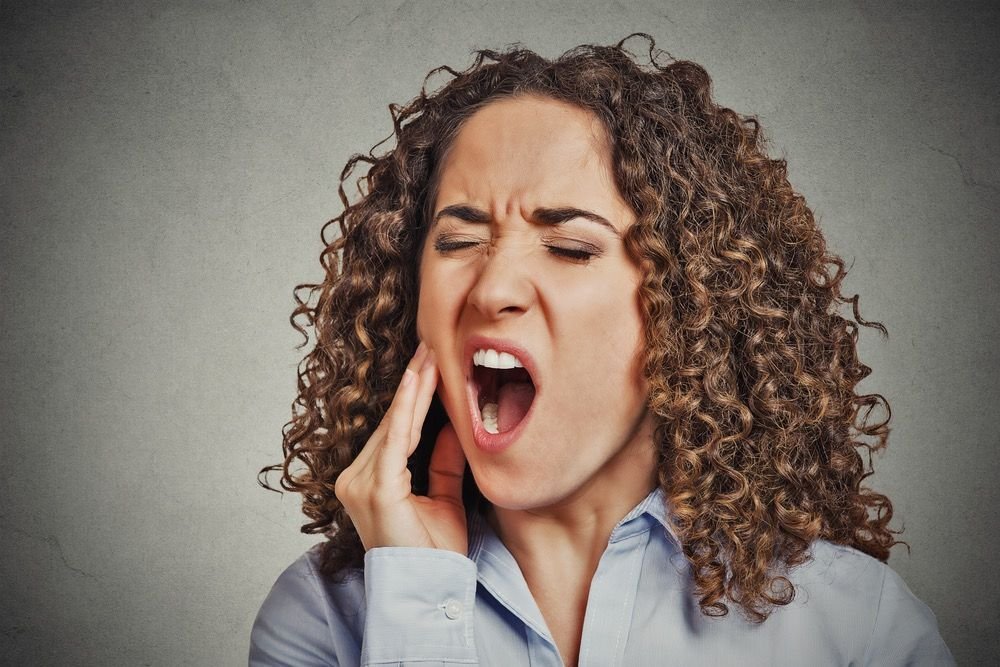
A tooth can hurt even when there is no visible cavity. That pain can feel sharp, dull, deep, sudden, or constant. It can show up while chewing, after waking up, during a stressful week, or even when drinking something cold. For many people, this creates confusion. If there is no cavity, why does the tooth hurt?
Sedation Dentistry in Westfield, NJ: Comfortable Care for Anxious Patients
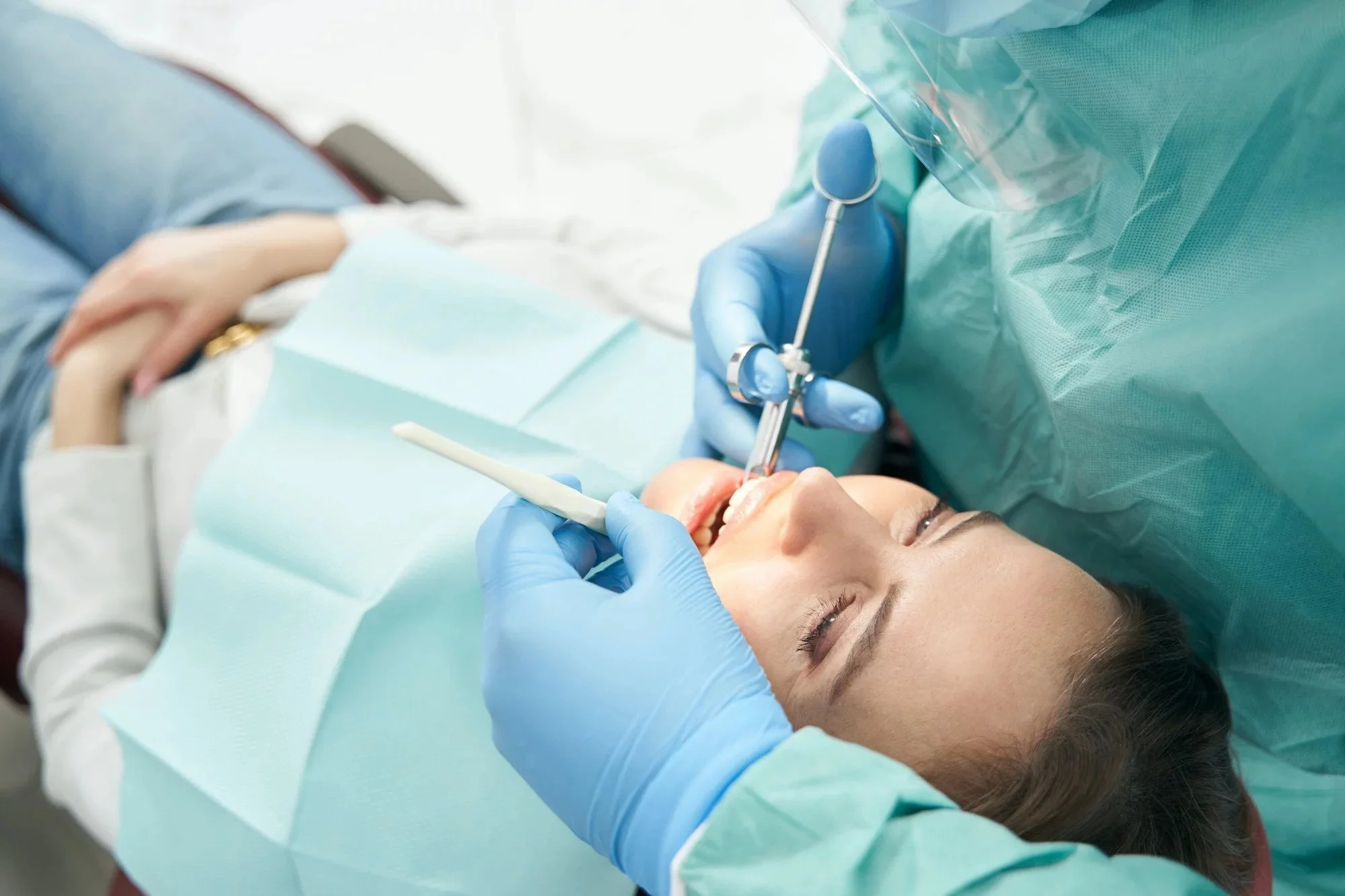
Sedation dentistry uses calming medication to help anxious patients receive care relaxed and at ease. At Downtown Dental in Westfield, NJ, sedation supports longer procedures like dental implants and cosmetic veneers so patients don't avoid needed treatment.
Digital Dentistry and 3D Printing: Revolutionizing Crowns and Bridges in Westfield
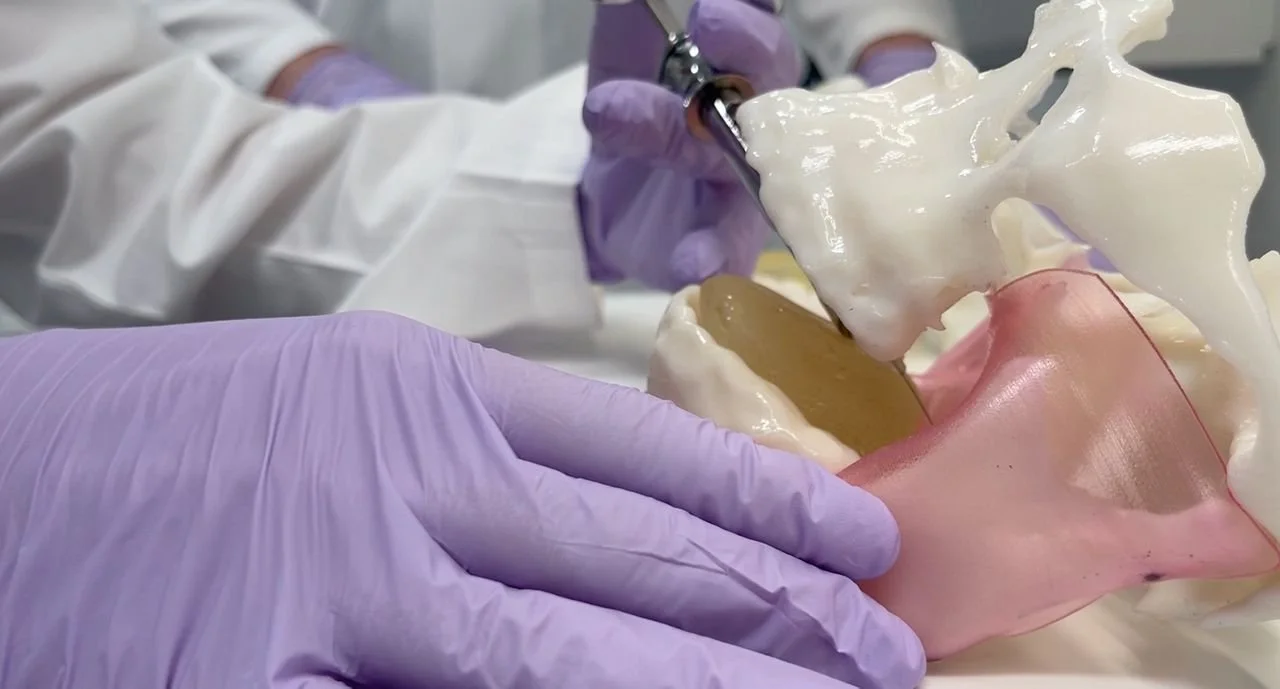
Digital dentistry with 3D printing technology at Downtown Dental allows for same-day crowns and bridges with unprecedented precision, reducing treatment time from weeks to hours while improving fit and comfort for Westfield patients.
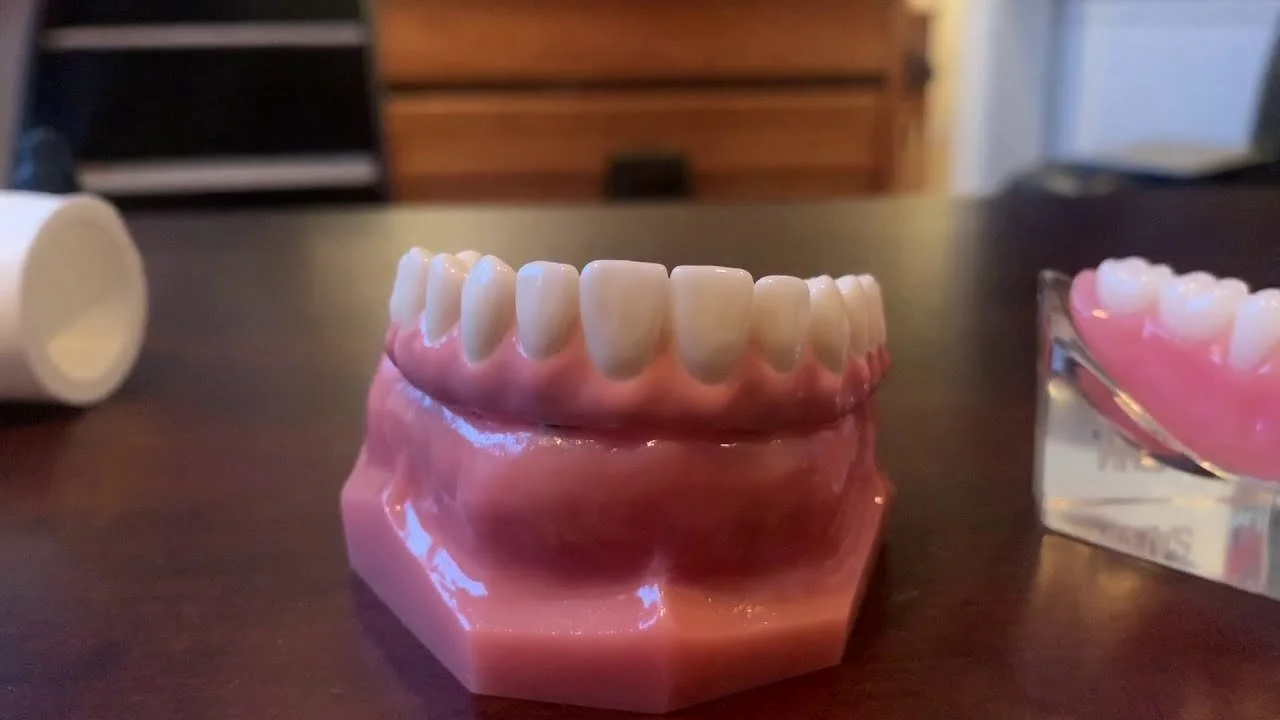
Full Mouth Dental Implant Success: What Westfield Patients Should Know in 2026
Full mouth dental implants offer a 96.4% success rate at 10 years and provide permanent teeth replacement that can last decades with proper care, making them the gold standard for complete tooth replacement in Westfield, NJ.
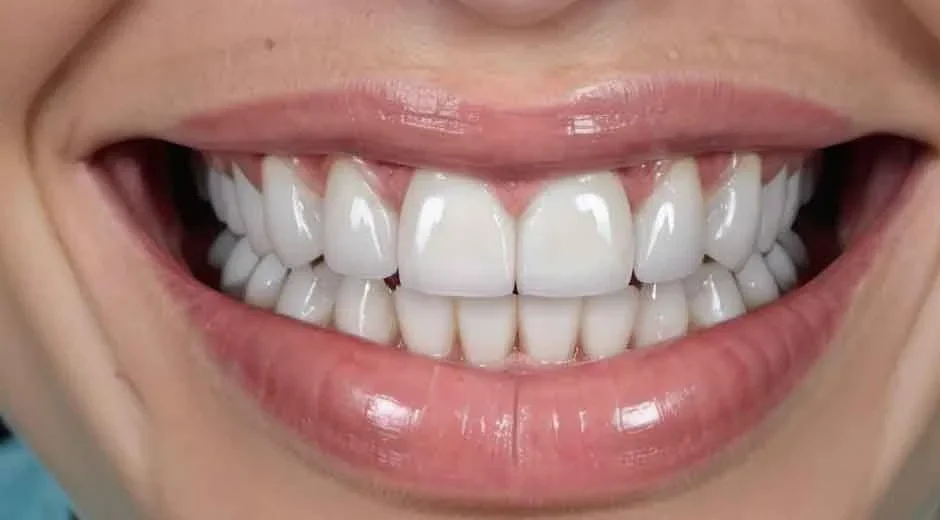
Porcelain Veneers in Westfield, NJ: How They Transform Your Smile
Porcelain veneers are thin, custom shells bonded to the front of teeth to correct chips, gaps, stains, and shape. At Downtown Dental in Westfield, NJ, veneers and laminates are a core cosmetic service designed by prosthodontist Dr. Paul Zhivago, DDS, FACP, using digital dentistry for individualized results.
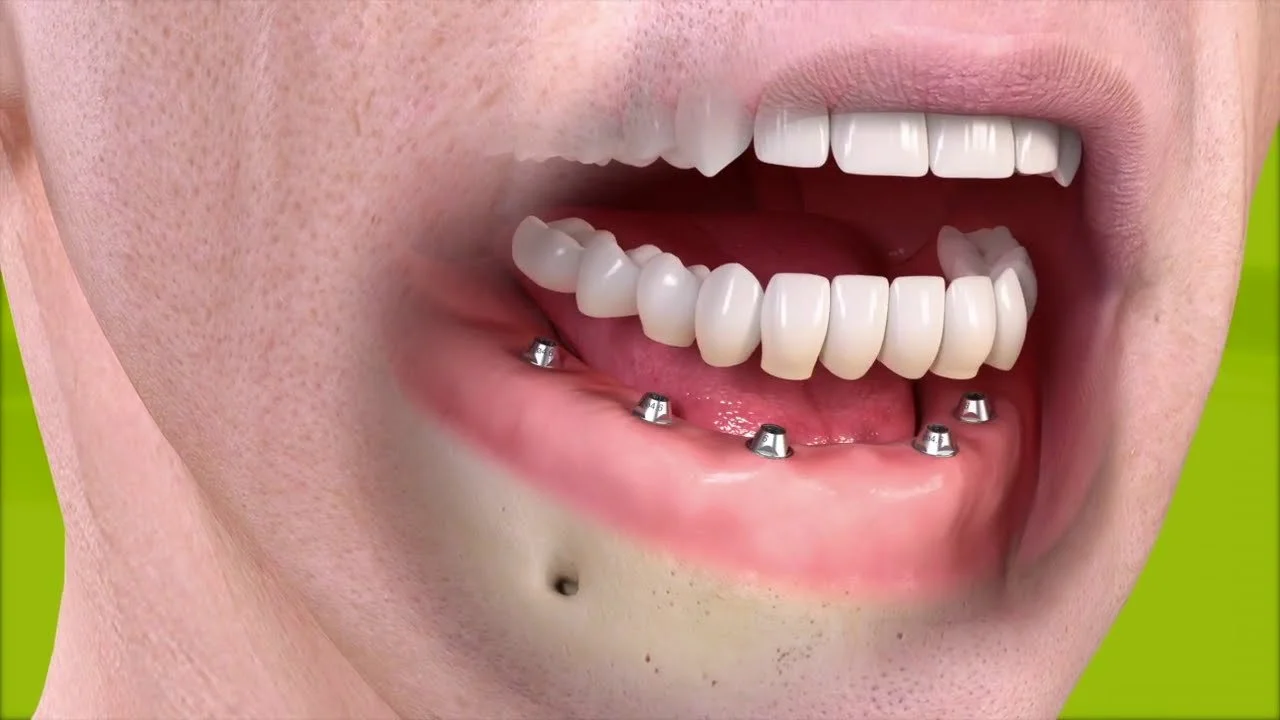
Full Mouth Dental Implants in Westfield, NJ: What to Expect
Full mouth dental implants restore an entire arch using implant posts that support a fixed bridge or denture, and Downtown Dental in Westfield, NJ offers both single tooth and full mouth implant solutions. The titanium integrates with the jawbone to act as a stable foundation.
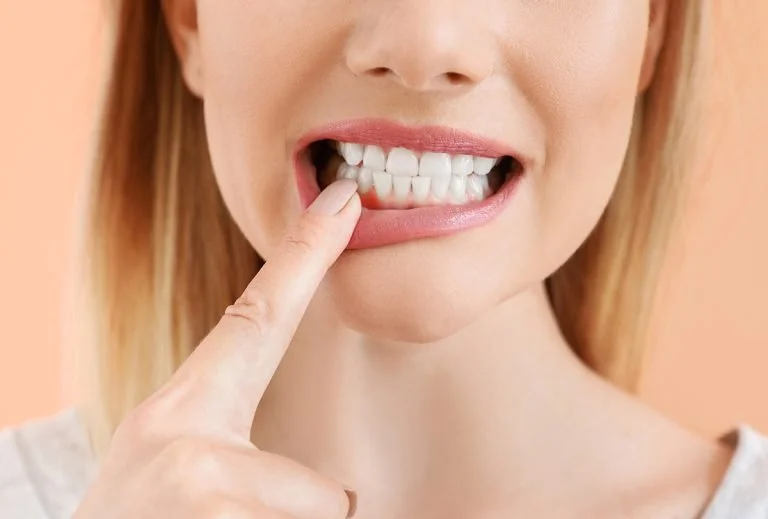
Why Does My Tooth Feel Loose Suddenly?
A tooth that suddenly feels loose can make your stomach drop. One moment everything feels normal, and the next you are pressing your tongue against a tooth, checking it again and again, wondering if something serious is happening.
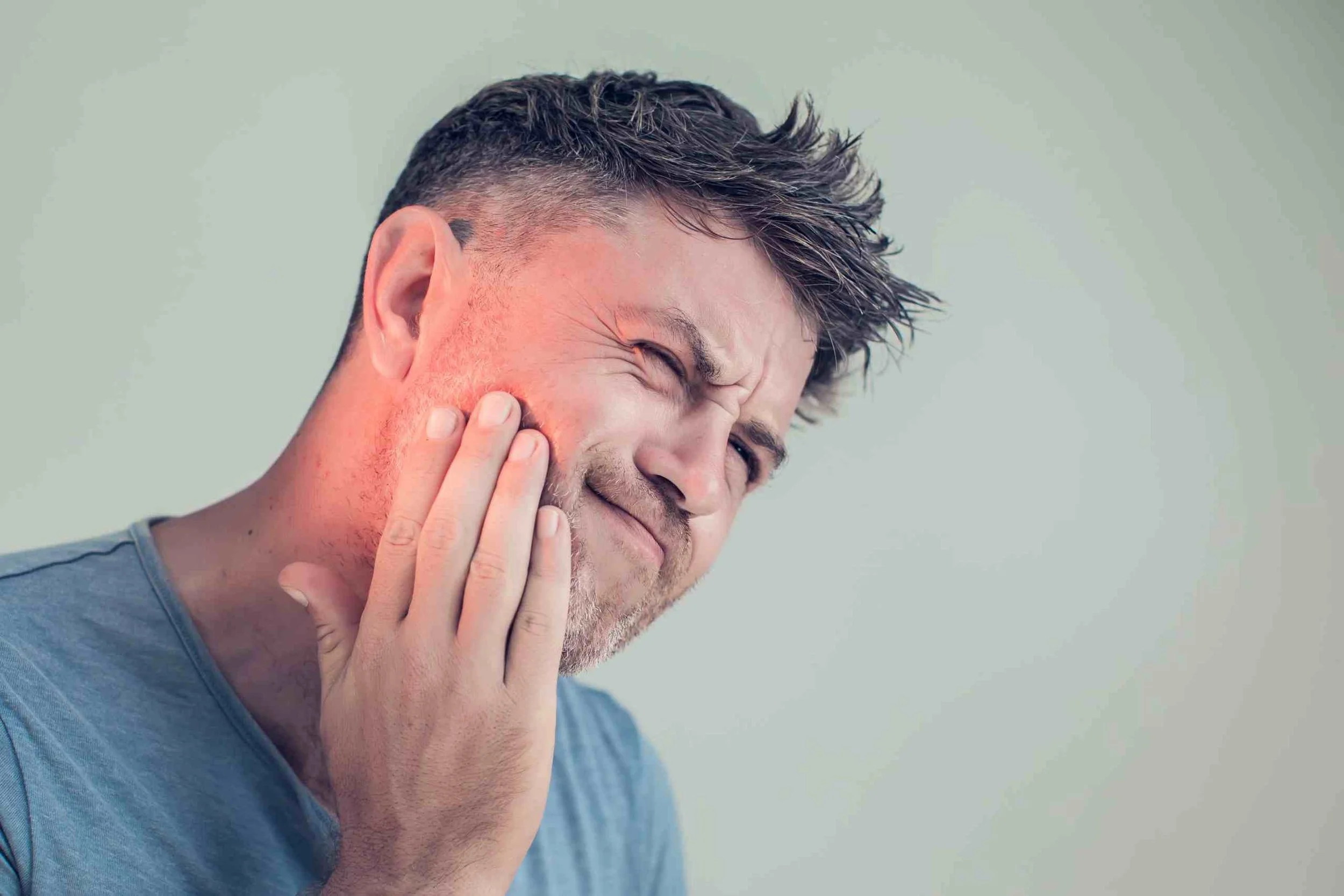
Tooth Nerve Pain: Causes and Pain Relief
Tooth nerve pain can stop your day fast. One moment you are drinking coffee, eating lunch, or brushing your teeth. The next moment, a sharp pain shoots through your tooth and into your jaw. It may feel like an electric shock, a deep throb, or a pulse that will not settle.
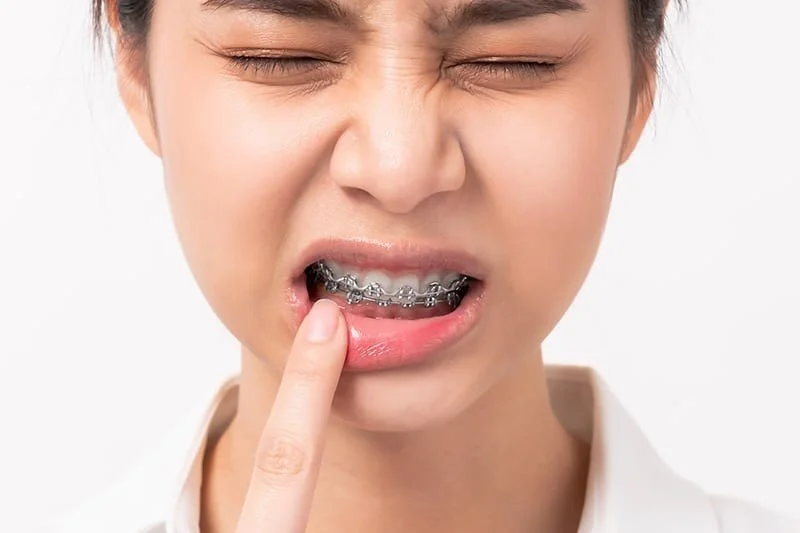
How Orthodontic Issues Affect Facial Development
A child’s face does not grow by chance. The teeth, jaws, lips, tongue, cheeks, airway, and bite all play a part. When these parts work well together, the face can develop with better balance. When they do not, small dental problems can slowly affect the shape, comfort, and function of the face.
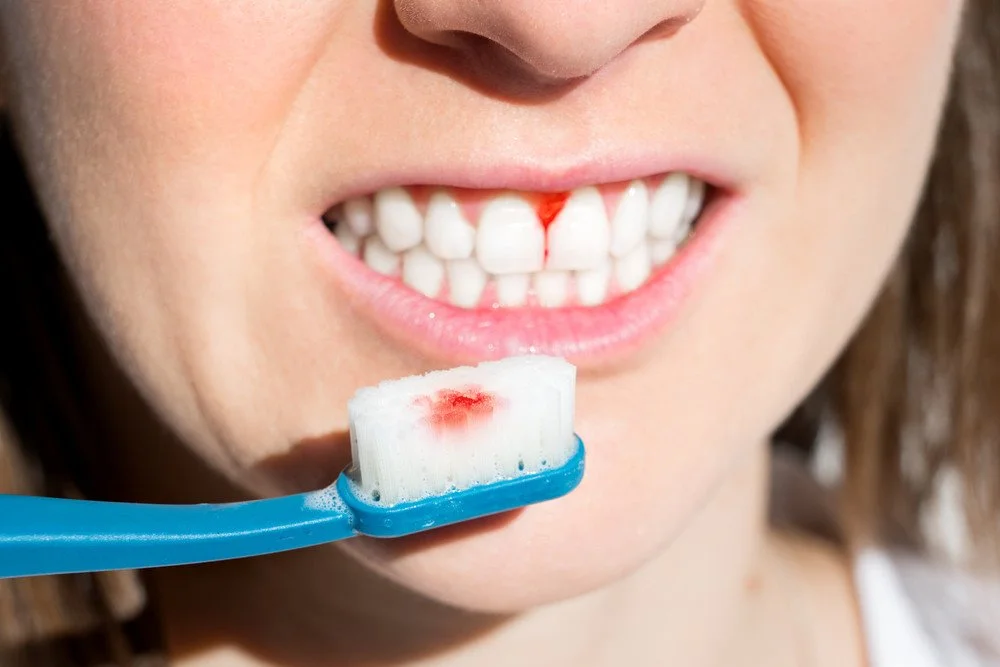
Early Signs of Gum Problems in Teens
A teen may not complain when their gums bleed. They may rinse the sink, close the bathroom door, and move on like nothing happened. That small red stain on the toothbrush may seem harmless, but it can be one of the first signs of gum problems. Gum issues often start quietly.
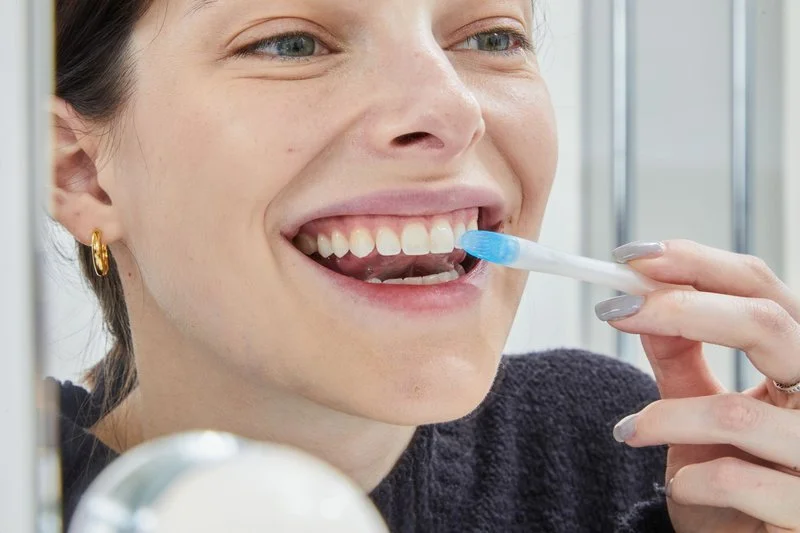
Teeth Sensitive After Cleaning — Is It Normal?
A clean smile should feel fresh, not painful. So when your teeth start to zing after a dental cleaning, it can feel confusing. You did the right thing by visiting the dentist, yet cold water, air, brushing, or even a sweet snack now makes your teeth ache.
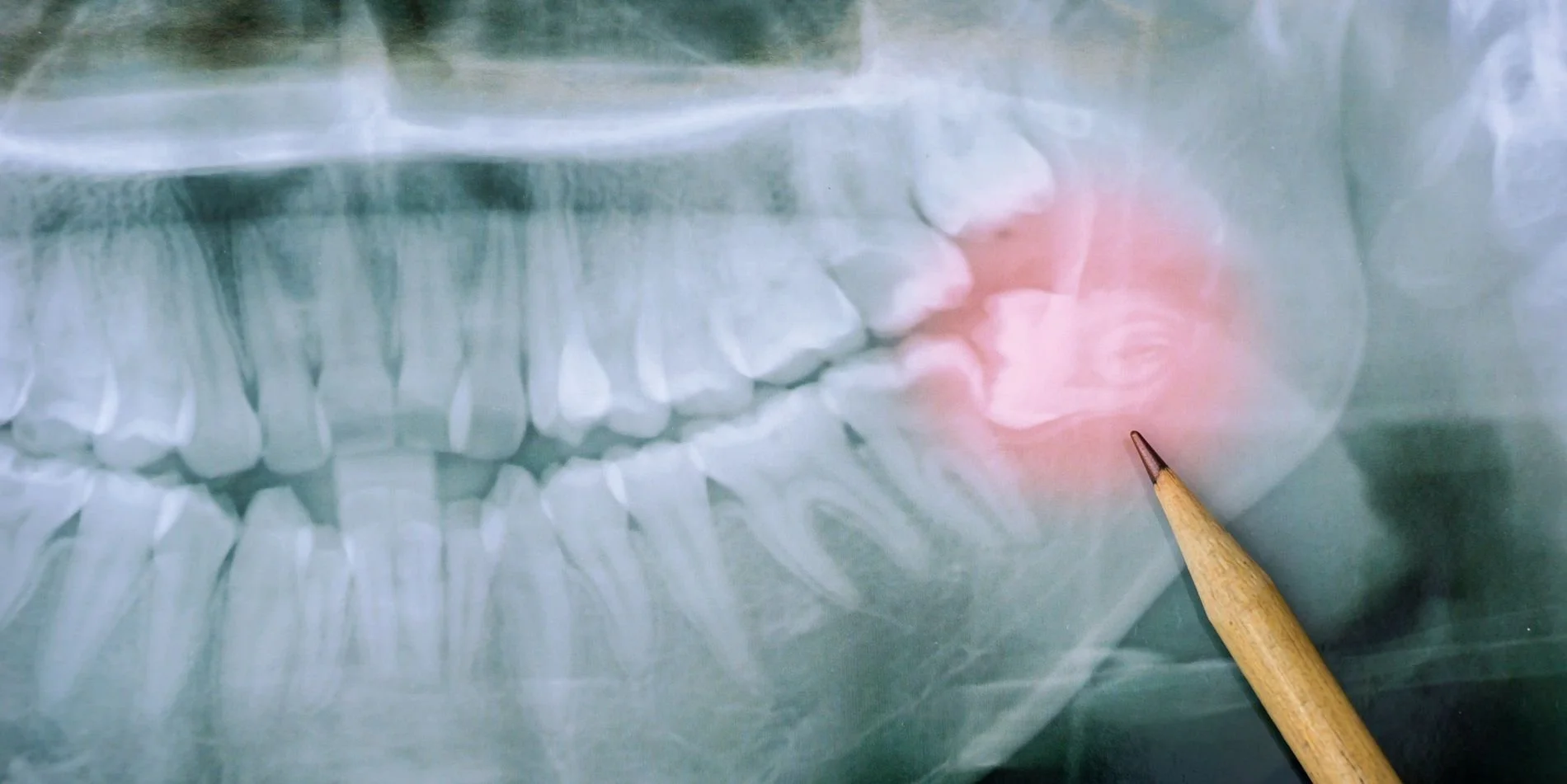
Common Wisdom Teeth Problems and Warning Signs
A small ache at the back of your mouth can feel harmless at first. You may blame it on chewing too hard, brushing too quickly, or sleeping on one side of your face. Then the gum starts to swell. Food gets trapped behind your last molar. Your jaw feels tight. A bad taste comes and goes. Some people even feel ear pain, sinus pressure, or headaches before they realize the real issue may be their wisdom teeth.
Sports Injuries and Dental Trauma
A fast ball, a hard elbow, a fall on the court, or a helmet hit can change a smile in seconds. One moment you are focused on the game. Next, there is blood, pain, a chipped tooth, or a tooth lying on the ground. That is when calm action matters.